Now rice prices will reduce, what steps did Modi government take?
Modi government order: The central government held a meeting with representatives of rice processing technology and equipment on the rising prices of rice in the country.
 Muskan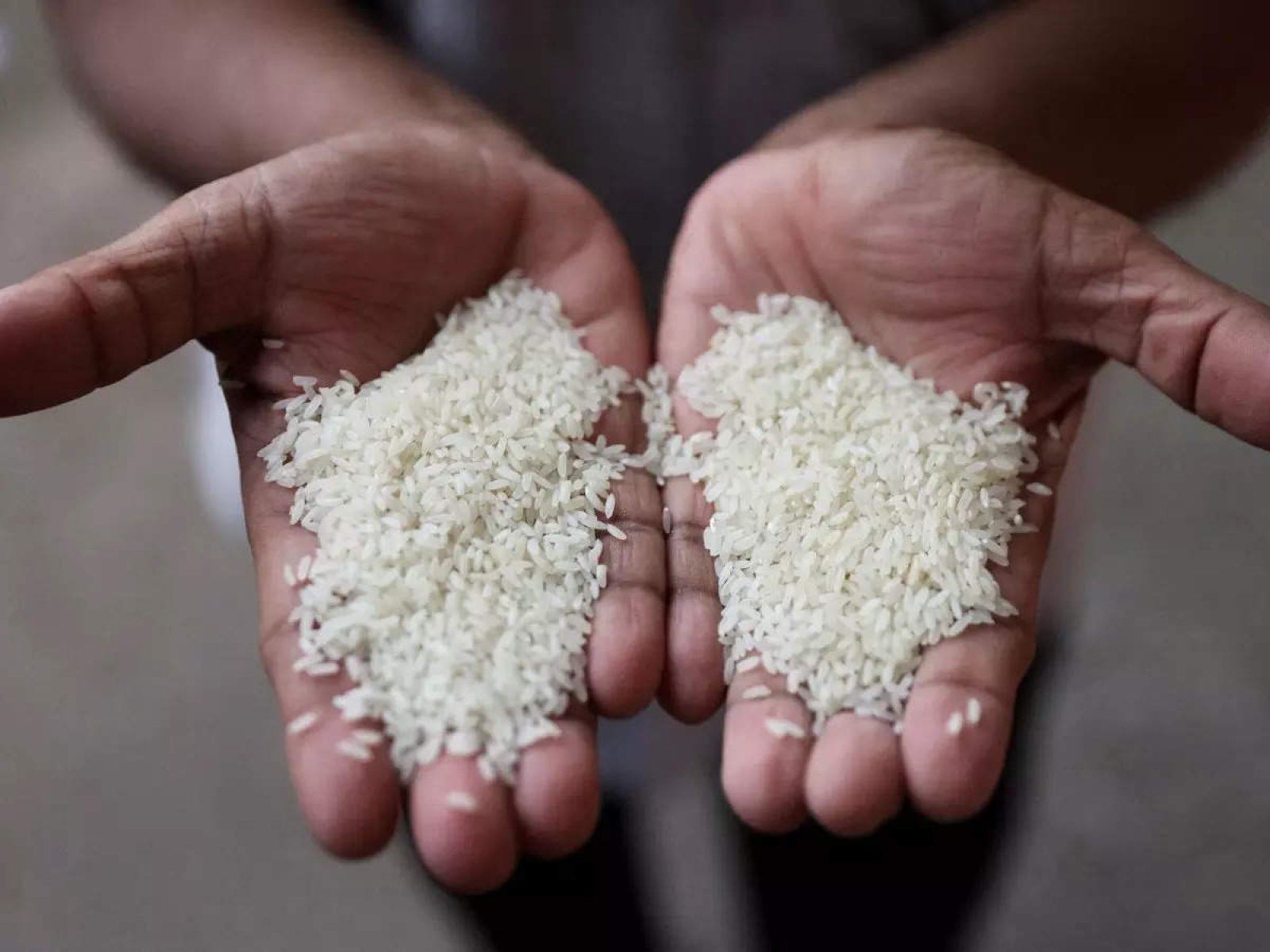
To ensure that there is no shortage of rice in the country, the Modi government at the Center banned the export of non-Basmati rice in July. Along with this, export duty was also increased by 20 percent. But despite all these efforts, the government could not reduce the rising prices of rice in the country. At the same time, the Central Government has issued instructions to control the rising prices of rice.
Along with this, he warned that if profiteering is done in this then the government will take strict action. Let us tell you that the prices of non-Basmati rice have been increasing rapidly in the country for some time now, due to which the government as well as the common people are worried.
Given the rising prices of rice across the country, Union Food Secretary Sanjeev Chopra on Monday held a meeting with representatives of rice processing technology and equipment in New Delhi. In this, he asked to reduce the prices of non-Basmati rice. Along with this, he said that in the instructions issued by the government, it has been said that there is a stock of good-quality rice in the country. It is being given to traders and processors under the Open Market Sales Scheme (OMSS) at Rs 29 per kg. But, it is being sold in the open market at the rate of Rs 43 to 50 per kg.
During the meeting, Sanjeev Chopra directed the industry associations to take this issue seriously and immediately make efforts to reduce the prices of rice. Despite a good Kharif crop, adequate reserves with the Food Corporation of India (FCI), and a ban on rice export, the prices of non-Basmati rice are increasing. The annual inflation rate of rice has been running around 12 percent for two years.
Union Food Secretary Sanjeev Chopra said during the meeting that there is a huge difference between MRP and retail price in the market. Consumers need to reduce this. Stockists and retailers are increasing prices. If the situation is not brought under control soon, then identify such stockists and retailers and take strict action against them. Under no circumstances can the government allow cheap grains to be sold at high prices. During the meeting itself, Delhi Grain Merchant Association President Naresh Gupta said that the government should keep an eye on retail prices. Along with this, he demanded the government to increase the price of rice to Rs 2700 per quintal.
Let us tell you that to meet the shortage of rice in the country, the government banned the export of non-Basmati rice in July. Along with this, export duty was also increased by 20 percent. The government was trying to ensure that there was no shortage of rice in the domestic market. Despite this, the prices of rice were increasing in the market. After this, in October the minimum export price of rice was increased to $950 per ton, yet the situation did not come under control.