
Indian Navy changed stars before New Year, know why it took such a decision
Navy changed shoulder epaulettes: In the new epaulettes, the coat of arms of the Maratha ruler has been replaced by the Nelson Ring of the British Raj.
 Muskan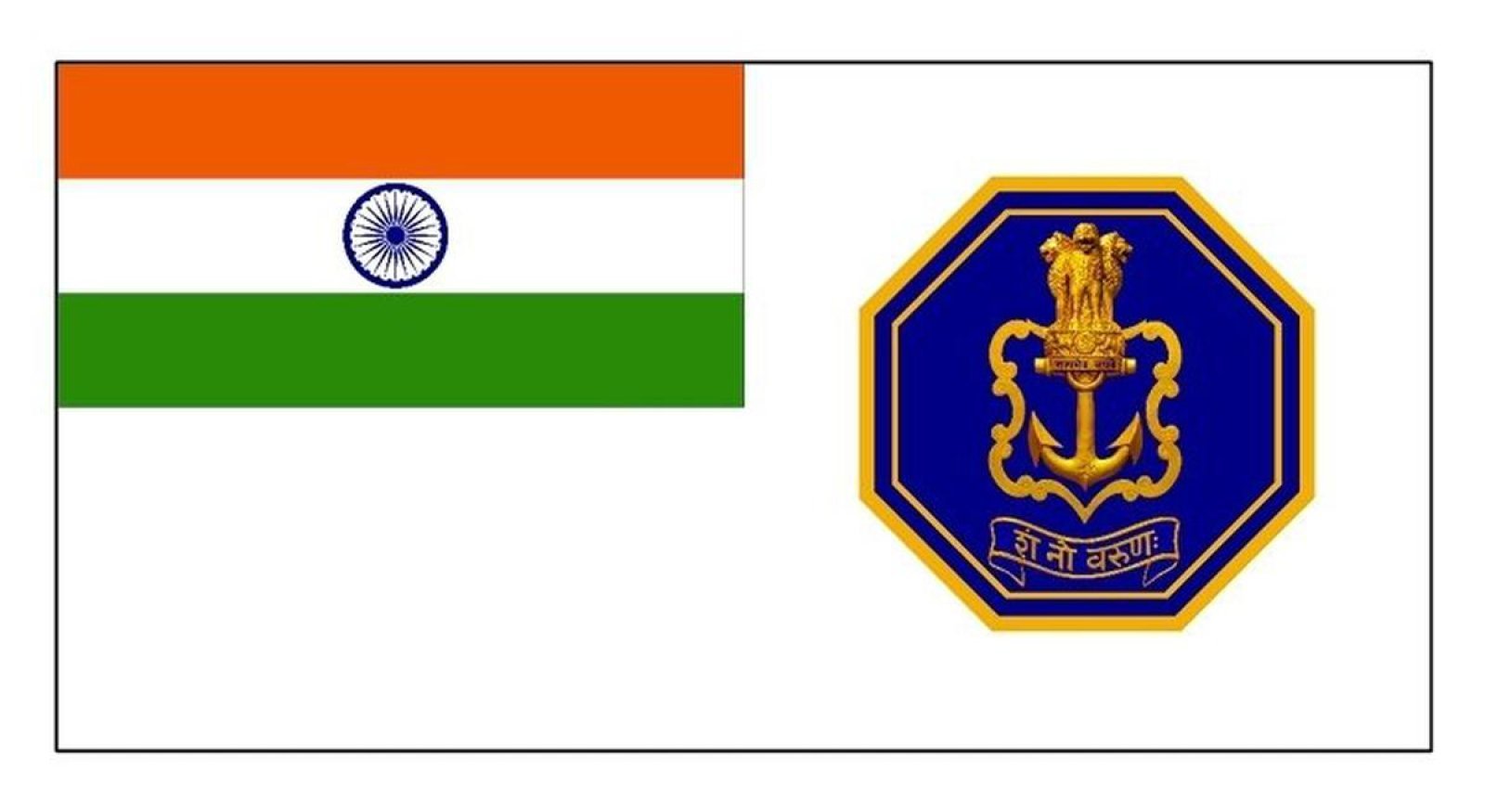
The Indian Navy has issued new shoulder epaulettes for officers of the rank of Admiral, Vice Admiral and Rear Admiral. The new design is inspired by the royal seal of Chhatrapati Shivaji Maharaj. Let us tell you that PM Modi had talked about changing these epaulettes in Sindhudurg, Maharashtra on Navy Day on 4th December this month. On Friday, the Navy released a video saying that the design of the epaulettes of the Admiral rank has been taken from the Naval Flag. It is a true mirror of our rich maritime heritage.
According to the information, in the new epaulettes, the royal seal of the Maratha ruler has been brought in place of the Nelson Ring of the British Raj. The new design is octagonal. It symbolizes the eight directions, which reflect the overall long-term vision of the Army. It has a sword which shows the navy's objective of winning wars through dominance and overcoming every challenge. There is also a telescope which symbolizes vision, foresight and keeping an eye on the weather in a changing world.
The 'Sellers Rank' of British rule has been reviewed. Due to this, more than 65 thousand sellers will now get a new rank. Earlier, there was a red cross symbol on the naval flag. This was the St. George's Cross, which was part of the British flag, the Union Jack. St. George's Cross was a symbol of a Christian saint and warrior.
It is noteworthy that the Modi government had earlier approved new changes in the uniform of Indian Army officers. After this approval, uniform uniform was implemented for all officers of the rank of Brigadier and above Brigadier in the Army from August 1. To date, different military officers wear different uniforms reflecting their respective regiments.
Officers of the Parachute Regiment wore maroon coloured caps, while officers of the infantry, armoured corps, combat support arms and services wore green, black and blue caps. This new change ended the practice of the Army wearing different uniforms and equipment denoting different regiments' services and weapons.