Elon Musk ignored Tesla's autopilot malfunction despite knowledge, judge claims evidence
A Florida judge found "reasonable evidence" that Tesla Chief Executive Elon Musk and other managers knew the automaker's vehicles had faulty autopilot systems. But they still allowed unsafe cars to be driven. This information has come out in a decision. Judge Reed Scott in the Circuit Court of Palm Beach County ruled last week that plaintiffs in a fatal crash lawsuit can sue and claim punitive damages against Tesla for intentional misconduct and gross negligence. Information about the order was not revealed earlier.
 Bhavika Nandwana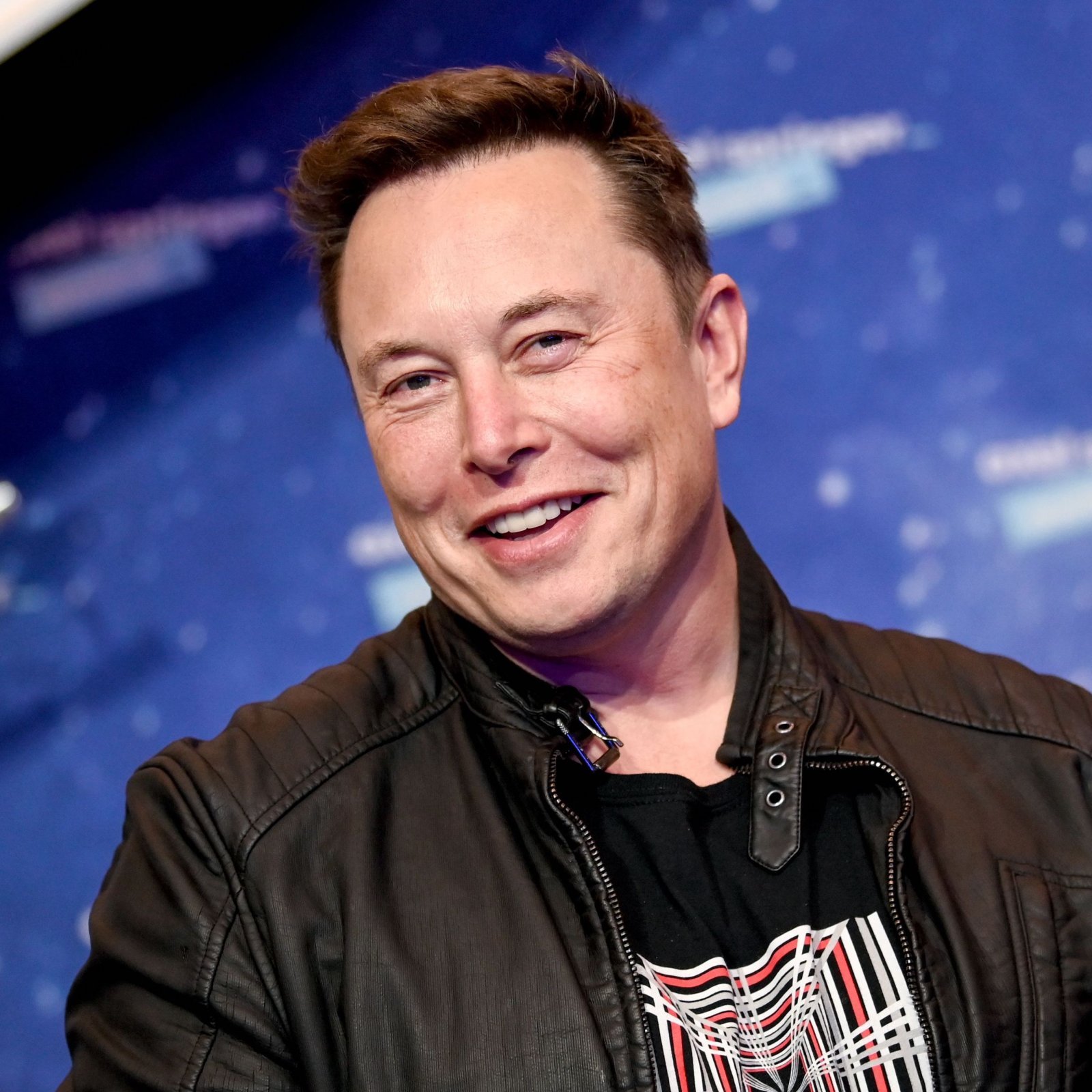
The decision is a blow to Tesla as the company won two product liability trials in California over the Autopilot driver assistant system earlier this year. At present, no comment from Tesla spokesperson has come out in this matter.
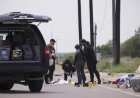
The Florida lawsuit stemmed from a crash north of Miami in 2019. In which owner Stephen Banner's Model 3 was driven under the trailer of an 18-wheeler big rig truck, which overturned on the road. Due to which the roof of the Tesla car broke and Banner died. The trials, scheduled for October, were delayed, and have not been rescheduled.
University of South Carolina law professor Bryant Walker Smith called the gist of the judge's evidence important. Because it points to a "dangerous mismatch" between what Tesla knew internally and what it was saying in its marketing.
Smith said, "This opinion opens the door to a public trial in which the judge seems willing to accept a lot of testimony and other evidence. That could be quite awkward for Tesla and its CEO. And now that trial “The result could be a punitive damages award.”
The Florida judge found evidence that Tesla "engaged in a marketing strategy that portrayed the products as autonomous" and that Musk's public statements about the technology "had a significant impact on beliefs about the products' capabilities."
Scott also found that the plaintiff, Banner's wife, should be able to argue to jurors that the warnings in Tesla's manuals and the "clickwrap" agreement were inadequate.
The judge said the crash was similar to a fatal crash involving Joshua Brown in 2016. In which the autopilot system failed to detect passing trucks. Due to which the vehicle went under the tractor trailer at high speed.
"It would be reasonable to conclude that Defendant Tesla, through its CEO and engineers, was fully aware of the problem of Autopilot's failure to detect cross traffic," the judge wrote.
Banner's attorney, Lake "Trey" Little III, said he is "extremely proud of this outcome based on evidence of criminal conduct."
The judge also cited a video from 2016. That video shows a Tesla car driving without human intervention as a way to bring Autopilot to market. A disclaimer appears at the beginning of the video stating that the person sitting in the driver's seat is there only for legal reasons. “The car is driving itself,” it said.
That video shows scenarios that were "no different" than when the banner appeared, the judge wrote.
"The absence of this video indicates that the video is ambitious or that the technology is not currently available in the market," he wrote.