
Ayurvedic Treatment of Piles and Other Anorectal Disorders in Women Possible Without Surgery
 PNN
PNN 
Expert – Ayurvedacharya Dr. Ras Pal Kaur, BAMS
New Delhi [India], April 25: Piles (hemorrhoids) have become a very common yet highly distressing anorectal disorder in today’s lifestyle. In this condition, the veins in and around the anal region become swollen and develop into masses (hemorrhoids), leading to symptoms such as bleeding during defecation, pain, burning sensation, and discomfort.
In a recent health webinar, Ayurvedacharya Dr. Ras Pal Kaur emphasized that timely identification and accurate diagnosis of anorectal disorders are extremely important. Often, patients assume all symptoms to be piles and ignore other serious underlying conditions, which can complicate the disease.
Why Understanding the Difference Between Anorectal Disorders is Important
According to experts, all anorectal disorders are not the same, and there are subtle differences in their symptoms:
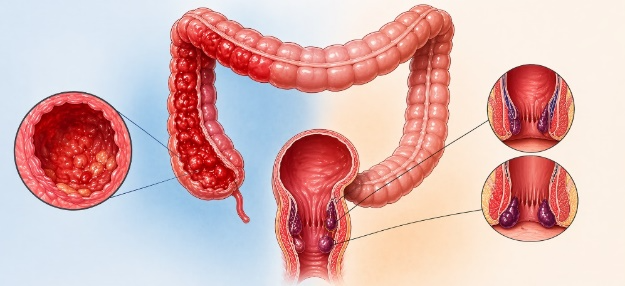
- Anal Fissure: Severe burning and sharp pain after passing stool
- Fistula (Bhagandar): Recurrent formation and rupture of boils around the anal region
- Ulcerative Colitis: Inflammation of the large intestine and rectum, leading to frequent diarrhea, mucus or pus discharge, and weakness
Bleeding from the anal passage should never be ignored, as it may sometimes indicate serious intestinal diseases.
Major Causes of Piles
Modern lifestyle plays a significant role in the rising incidence of piles. Common causes include:
- Chronic constipation
- Excessive straining during defecation
- Consumption of spicy, fried, and junk food
- Alcohol intake
- Late-night habits
- Prolonged sitting (sedentary lifestyle)
- Frequent use of laxatives
In women, increased pressure in the pelvic region during pregnancy can also contribute to the development of piles.
Ayurvedic Perspective: Root-Cause Treatment
In Ayurveda, the treatment of piles is not limited to symptom relief. Instead, it focuses on correcting the root causes—especially constipation and digestive disturbances.
Diet and lifestyle modifications play a key role:
- High-fiber diet including green vegetables and salads
- Soaked figs consumed in the morning
- Regular use of Isabgol (psyllium husk)
- Avoidance of excessive spices, non-vegetarian food, and alcohol
- Avoid prolonged sitting
- Regular exercise and walking
Home and Supportive Remedies
Sitting in warm water (sitz bath) for 15–20 minutes after defecation can provide significant relief from pain and inflammation.
Non-Surgical Ayurvedic Options
While modern medicine offers treatments such as injections, rubber band ligation, laser procedures, and surgery, Ayurveda provides effective herbal formulations prepared from medicinal plants.
According to experts, ingredients like Rasaunt, Reetha, and Suran (Elephant foot yam) may help improve digestion, reduce inflammation, and decrease the size of hemorrhoidal masses. However, it is essential to consult a qualified physician before starting any treatment.
Early Treatment is the Best Prevention
Experts believe that piles and other anorectal disorders can be effectively managed in their early stages. With a balanced diet, disciplined lifestyle, and proper medical care, complications can be prevented, and patients can lead a normal life.
Special Initiative for Women
Keeping in mind the privacy and comfort of women, Dr. Ras Pal Kaur has launched a dedicated helpline: 9910672020. Through this platform, women can avail free initial consultation with complete confidentiality, empathy, and scientifically guided advice.
Disclaimer: This press release is for general information purposes only and should not be construed as professional medical advice. Always consult a doctor before taking any decisions.